Transform Your Career – The Power of Networking Skills
In this modern and rapidly changing era of technology, just about every business relies on a safe and dependable computer network for operation. Computer networks are essential to the success of every kind of organization today, ranging from start-up businesses to multi-national corporations. The need for skilled professionals qualified to design, configure, troubleshoot, and secure the network infrastructure of an organization is tremendous. Because of this, learning how to establish and maintain a computer network is quickly becoming one of the most sought after skills for anyone pursuing a career in IT.
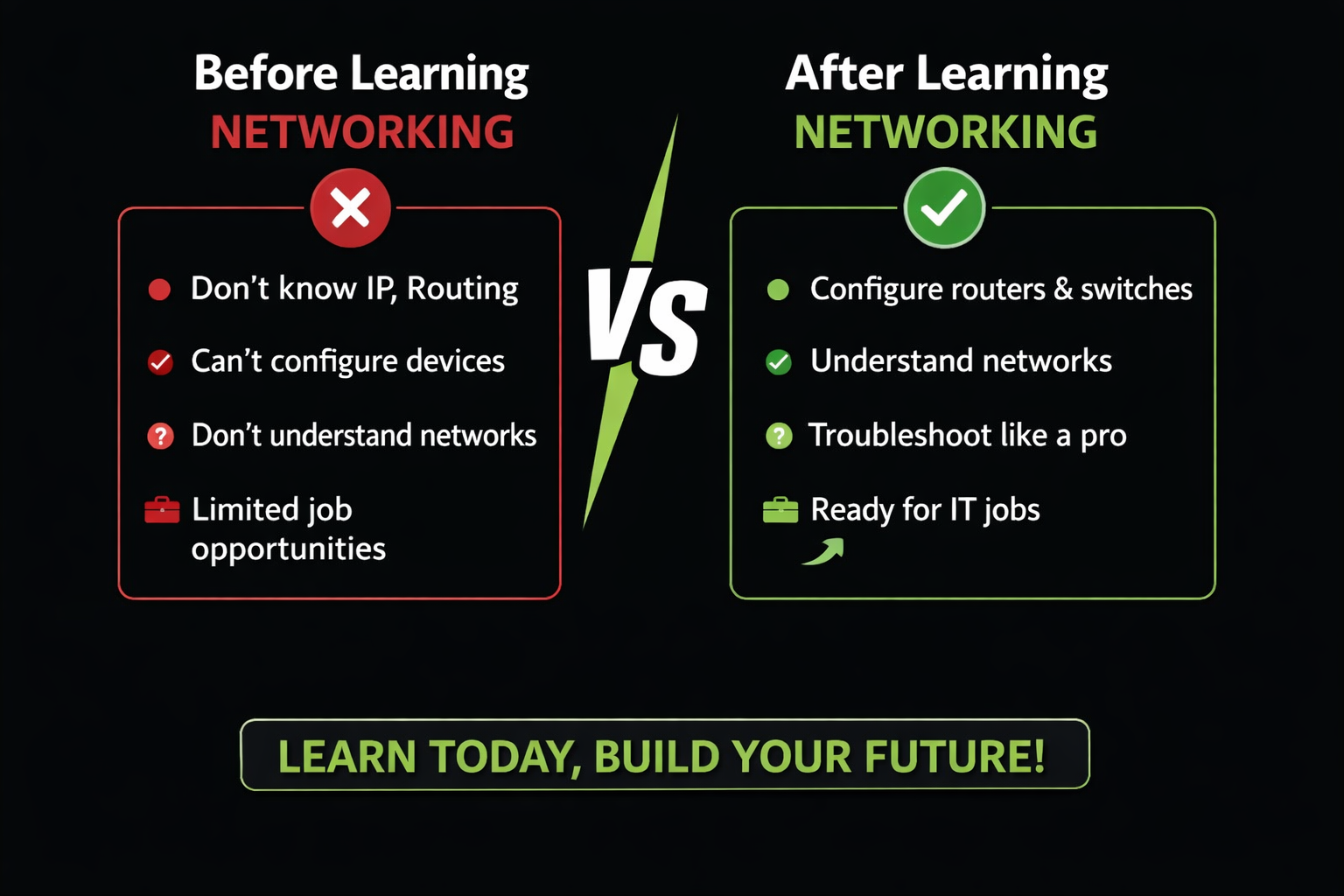
The differences in the lives of individuals Before and After Learning Networking the skills necessary to design, configure, and maintain a computer network are often tremendous. Prior to obtaining their networking skills, many individuals hoping to work in IT have difficulty understanding how systems communicate, how data is transferred across the internet, and how to effectively manage a company’s computer network. However, once they have obtained their networking skills, they gain confidence in being able to troubleshoot computer network problems, configure networking devices, and fill high-demand job openings (such as Network Engineer, System Administrator, or Cyber Security Analyst) at various companies.
At Firewall Zone, you’ll receive the most comprehensive hands-on training available in the areas of networking, routing, switching and cyber security using real-world networking labs and environments. Whether you are new to networking or are a seasoned professional, learning how to effectively implement and manage computer networks means greatly enhancing your career options.
Before and After Learning Networking: A Complete Career Transformation
Understanding Before and After Learning Networking helps you appreciate how foundational networking knowledge impacts your technical skills, confidence, and career growth.
Comprehending Networking Fundamentals Provides Insight into Your Technical Skills, Confidence and Career Progression.
Prior to Learning About Networking, Most Individuals Have an Elementary Knowledge Base of Computers and Software. They Likely Understand How to Use Various Programmes; However, They Do Not Have a Strong Foundation in the Areas of How Devices Communicate with Each Other, How Servers Communicate with One Another, How Enterprise Networks Function, etc.
Commonly, After Learning About Networking, People Possess Practical Experience in:
- IP Addressing and Subnetting
- Routing and Switching
- DNS and DHCP
- VLANs and Network Segmentation
- Firewall Types and Virtual Private Networks
- Troubleshooting and Monitoring
- Network Security Fundamentals
This Enhancement Will Provide You With a Variety of New Opportunities in the Area of IT Infrastructure and Cyber Security.
Before Learning Networking
Not Understanding Networking Technology
For many IT professionals, a lack of knowledge in networking technology makes it difficult to see how applications communicate from one system to another and across an entire network.
Difficult to Diagnose Internet Issues
If you do not understand how network technology works, many internet issues like a lack of connectivity, DNS errors, and slow internet speed cannot be diagnosed easily.
Lack of Job Advancement
If you are not familiar with networking concepts, you will not be considered for many higher level IT jobs.
Unprepared for Technical Interviews
When interviewing for IT jobs, many applicants will be asked to answer questions about basic networking concepts such as IP addressing, routing, and switching.
Relying on Senior Engineers for Troubleshooting
If you do not understand how network technology works, you will often rely on more advanced engineers for help in troubleshooting network and infrastructure issues.
After Learning Networking
Solid Technology Background
The ability to network allows you to gain insights into how systems communicate with each other and how enterprise infrastructure functions.
More Effective Problem Solving
The ability to troubleshoot IP conflicts, routing mistakes, DNS failures, and connectivity issues is made easier by networking.
Wider Range of Job Options Available
Once you’ve learned the basics of networking, many different types of job opportunities become available, including:
- Network Engineer
- System Administrator
- NOC Engineer
- Security Analyst
- Firewall Engineer
- Cloud Support Engineer
Increased Salary Possibilities
Individuals who have networking skills and knowledge are in high demand in all industries.
Foundation for Career Paths in Cybersecurity and Cloud Computing
Networking serves as a foundation for many leading-edge technologies that lead into advanced career paths such as cyber security, cloud computing, and DevOps.
Why Networking Skills Are Essential in IT
Networking is the foundation of all major technology sectors.
Cyber Security
Network principles are utilized in all aspects of cyber security including firewalls, intrusion detection systems, and VPNs.
Cloud Computing
To create services on AWS, Azure, and GCP requires an understanding of networks.
Systems Administration
Strong networking skills are required for system administrators to manage servers and enterprise infrastructure.
DevOps
Application deployment and functionality depend on network connectivity/adaptability.
Core Topics You Learn in Networking
When learning networking, you usually get very good at the following:
- OSI Model
- TCP/IP Model
- IP Addressing
- Subnetting
- Routing Protocols
- Switching Concepts
- VLANs
- Access Control Lists
- DNS and DHCP
- NAT and PAT
- VPN Technologies
- Basics of Network Security.
These are the technical foundation of a lasting career in IT.
Career Opportunities After Learning Networking
Learning Before and After Learning Networking creates additional options for you as a professional. Various types of employment available. The following list contains some examples of networking positions:
- Network Engineer
- Network Administrator
- NOC Engineer
- System Administrator
- Security Analyst
- Firewall Engineer
- Cloud Engineer
- Technical Support Engineer
Many companies from different industries and sectors (including IT Service Providers, Telecommunications, Financial Institutions, Healthcare Providers, and Government Agencies) actively recruit networking professionals.
Certifications That Boost Your Networking Career
By gaining an industry certification, you can demonstrate your proficiency in the field and enhance your chances of finding work.
The following industry certifications are suggested:
- CCNA (Cisco Certified Network Associate)
- CCNP (Cisco Certified Network Professional)
- CompTIA Network+ certification
- JNCIA (Juniper Networks Certified Internet Associate)
- Fortinet NSE Certifications.
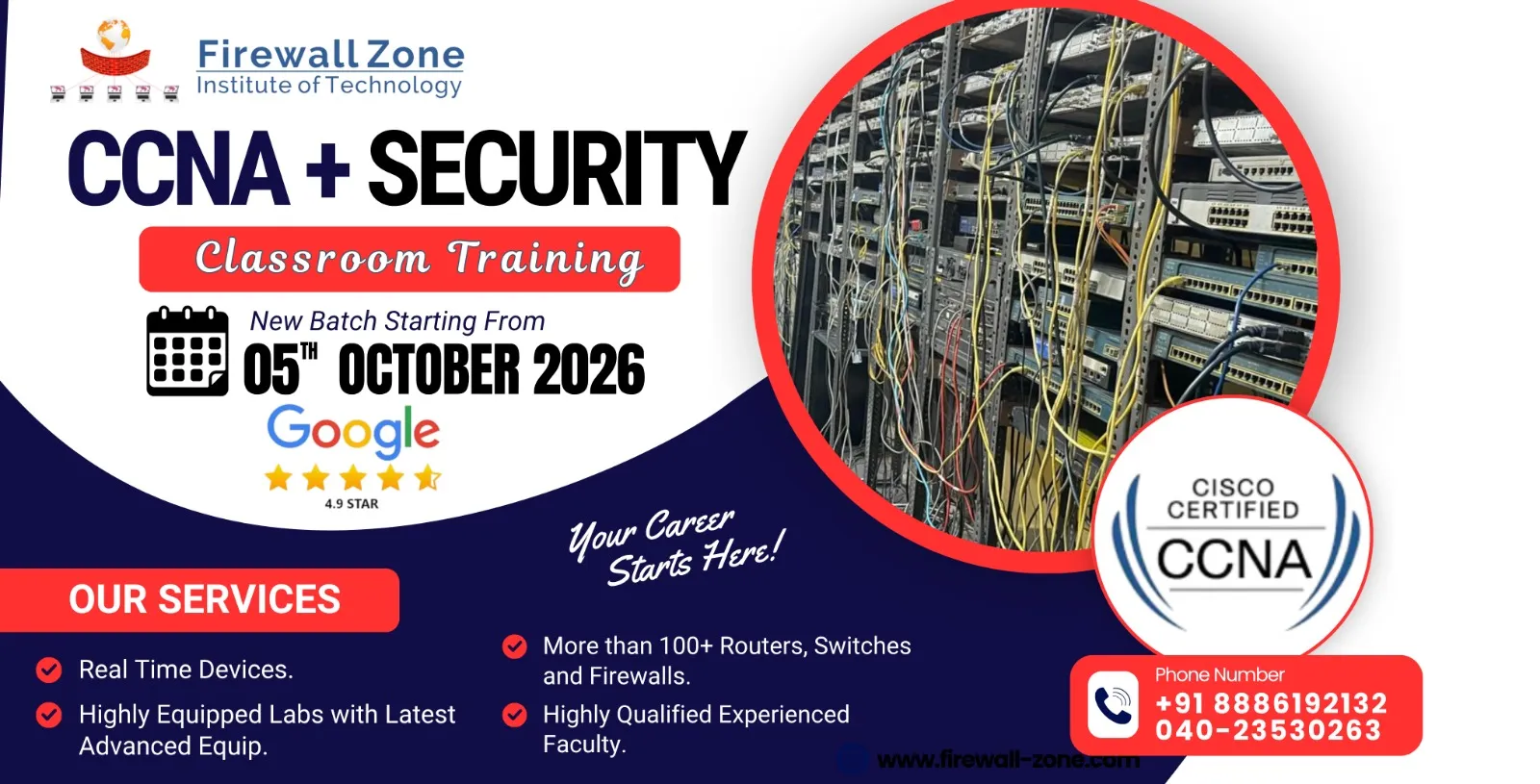
At Firewall Zone, students can receive hands-on instruction to prepare for these industry certifications from experienced trainers.
How Firewall Zone Helps You Transform Your Career
We provide you with a selection of high-quality training options, including:
- CCNA Routing and Switching
- CCNP Enterprise
- Fortinet Firewall
- Cyber Security
- Ethical Hacking
Our programs offer these benefits:
- Access to real-world labs
- Expert Instructors
- Job-Driven Curriculum
- Preparation for Interviews
- Assistance with Certification Process
The Hands-on and Interactive nature of our classes allows students to see how things have changed since the Before and After Learning Networking.education.
Real-World Example of Career Growth
A graduate who was previously working in the basic technical support field was responsible primarily for software installation and user assistance. After completing their networking course and preparing for the CCNA they had learned how to route and switch as well as troubleshoot networks. Within months of completing their training they qualified for a Network Engineer position which resulted in a higher salary, increased levels of responsibility and more advancement opportunities in their career.
This demonstrates the real world effect of mastering Networking.
Best Learning Path for Beginners
The best learning path for someone just getting into Networking is:
- Understand computers
- Learn Networking Fundamentals
- Practice IP addressing & sub-netting
- Configure Routers / Switches
- Prepare for CCNA certification
- Gain hands on experience at lab
- Apply for entry level Networking jobs
- Advance into Cyber Security or Cloud.
Conclusion
An IT professional’s career will change drastically once they learn how to network. Developing your technical confidence, improving your troubleshooting skills, and giving you access to a vast number of high-demand job opportunities (networking; cybersecurity; cloud computing) will be some of the advantages gained by developing these skills through networking.
If you want a career that is going to be able to perform well for years to come, networking is an excellent place to begin. By taking advantage of structured training and hands-on labs at Firewall Zone you can learn the skills necessary to thrive in today’s extremely competitive IT market.
Once you master networking, you will change not only your technical skills, but your entire future.
 Enroll Now
 Location: Beside KFC & McDonald’s, Opposite Pillar No: 3, Mehdipatnam, Hyderabad Call: +91 8886192132
 Email: info@firewall-zone.com
 Website: www.firewall-zone.com
Our team will guide you through course options, fee details, certification tracks, and help you choose the best path based on your career goals.
FAQs:
1. What is meant by Before and After Learning Networking?
It relates to how much your technical skill set will increase, as well as your confidence level, and how much your career prospects will increase by mastering the mechanics of networking.
2.Is networking a viable career path?
Absolutely! Networking is a very rewarding area of IT with plenty of job opportunities, great pay, and opportunities in such areas as cloud computing and Cybersecurity.
3.Which certification is the best starting point for someone new to networking?
The Cisco CCNA certification is widely considered to be a great starting point for anyone wishing to start a career in networking.
4.Do you need to know networking in order to pursue a career in Cybersecurity?
You bet! Networking is the foundation of Cybersecurity, as well as firewall management, and threat analysis.
5. Where can I receive training in networking as a profession?
Firewall Zone provides comprehensive training in Networking and Cybersecurity and will give you real-world labs to work in along with expert instruction.
[forminator_form id=”7589″]